
Electric Bikes Explained: Are They Worth It?
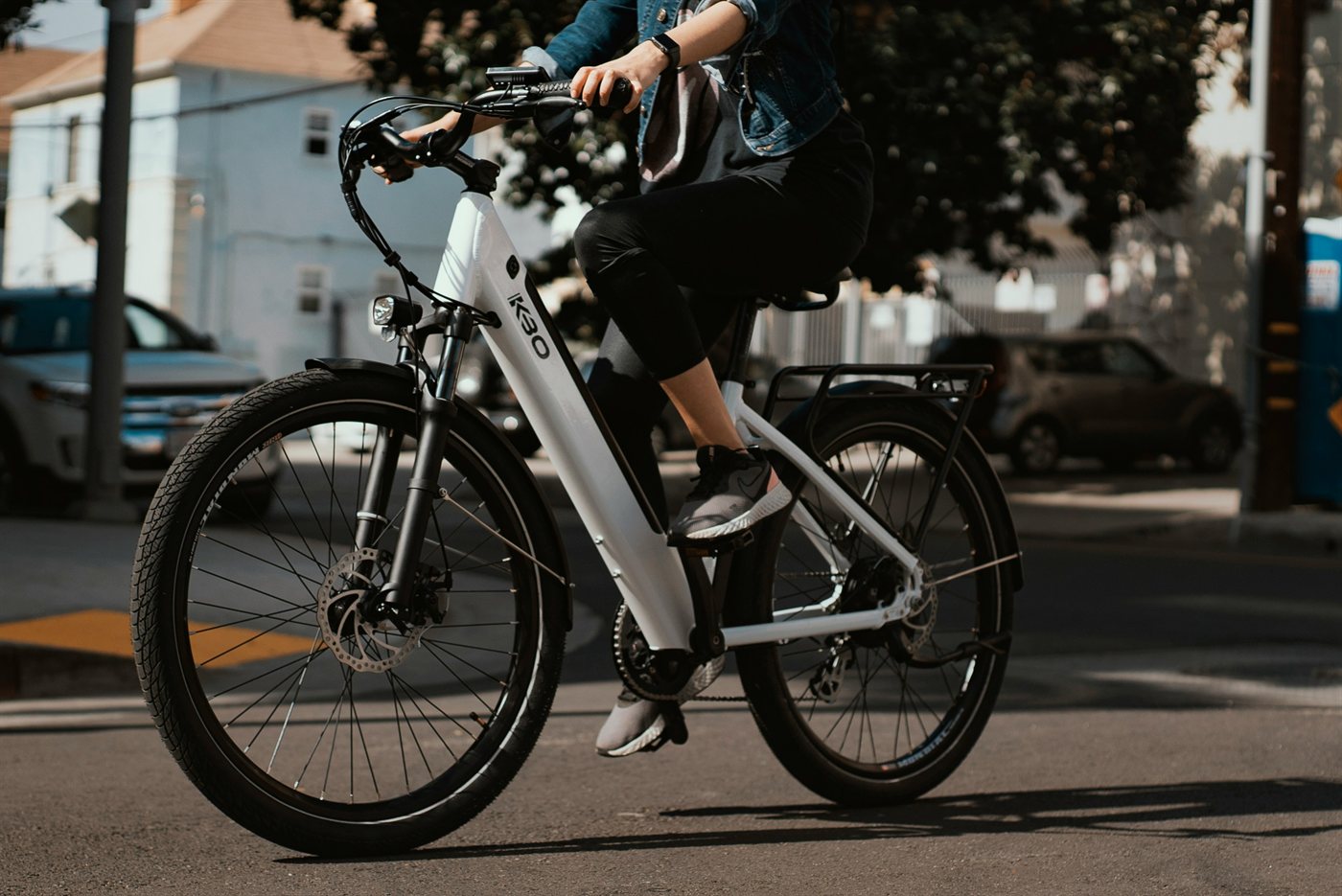
Electric bikes have gone from a novelty to one of the fastest-growing parts of cycling — and the questions we get about them have changed too. It used to be "what is an e-bike?" Now it's "is one right for me?" So let's answer both, plainly.
What actually is an e-bike?
An electric bike is a normal bicycle with a battery and a motor that gives you a helping hand as you pedal. The key word is pedal — UK road-legal e-bikes don't have a throttle that does the work for you. You still ride; the motor just amplifies your effort, so hills flatten out, headwinds stop mattering, and a longer ride feels easy.
By law (these are called EAPCs — Electrically Assisted Pedal Cycles), the assistance cuts out at 15.5mph and the motor is capped at 250W. Stay within that and an e-bike is treated exactly like a normal bike: no licence, no tax, no insurance, no helmet law beyond the usual advice, and you can ride it anywhere you'd ride a regular bike. Riders need to be 14 or over.
How far will it go, and what does it cost to run?
Most of our e-bikes use a removable battery that charges from a normal plug socket in around 4–6 hours. Real-world range depends on how much assistance you use, the terrain and your own input, but 30–60 miles per charge is typical. A full charge costs only a few pence of electricity — which is part of why people who switch a car commute to an e-bike often find it pays for itself surprisingly quickly.
So… are they worth it?
For a lot of people, genuinely yes. An e-bike makes the most sense if you:
- Want to commute without arriving sweaty
- Have hills between you and where you're going
- Are coming back to cycling after a while off, or recovering from injury
- Want to ride with a fitter partner or keep up on family rides
- Fancy leaving the car at home for shorter trips
The trade-offs to know about: e-bikes are heavier than normal bikes (worth thinking about if you'll carry one upstairs), and they cost more up front — though that's exactly what finance and the Cycle to Work scheme are there to soften.
Two ways to make them more affordable
This is where it gets interesting. An e-bike is the type of purchase where spreading the cost really helps — and you've got two routes:
- 0% finance with Klarna or Clearpay lets you split the cost interest-free at checkout. Here's .
- Cycle to Work can save you up to 42% through salary sacrifice if your employer offers it — and yes, e-bikes qualify. We explain it in full on our .
Stack a Cycle to Work saving against a discounted price and an e-bike that looked expensive suddenly looks very reasonable.
Ready to look?
We stock electric hybrids for commuting and town riding, electric mountain bikes for the trails, and even kids' electric ride-ons — all from trusted brands at clearance prices. Browse the full , and if you're torn between models, our team rides these bikes and is happy to talk you through the differences.
The honest answer to "are e-bikes worth it?" is: if any of those reasons above sounded like you, you'll probably wonder how you managed without one.
More from the blog


Ready to find your next bike?
Top brands at prices the big chains can't touch — with low cost UK delivery and 0% finance.
Shop all bikes